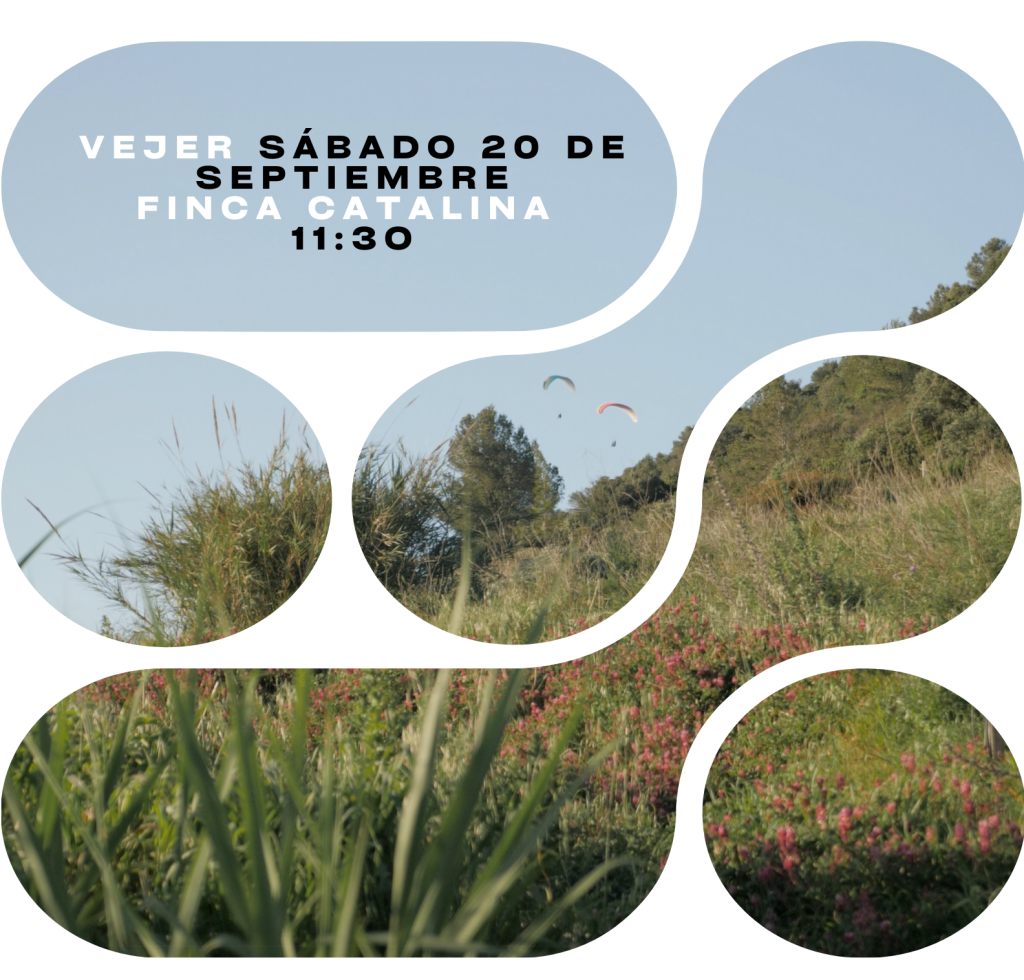
1st Open Call | 09/2025

Keynotes


– I’ll be listening for the voices that don’t get to speak — the ghosts at the edge of our circle: “Whose story is missing here?
– I’ll be watching where silence gathers, where the group hesitates or laughs away discomfort. Or where some laugh, and others remain silent.
– I’ll notice how rank and power shape who crosses the edge easily, and who gets stuck holding the marginalized side.
– I’ll track what is not allowed to be said, and bring questions that make space for those unspeakable things.

Serra Ciliv – Intentions to be a hawk


Regenerate symbolic soil

Slow down violence

Wait (take your time)

Give rest

Take only what you need – always give back

Maintain hope without addiction or haste

Keep waiting

Rotate: leave the space – return to it

Go slowly

Ensure change

Be available to celebrate

Mourn the destruction terribly if it happens 

– start again.


J. Gallardo – Holistic management


In an increasingly divided world where people cling to fixed identities and wall themselves off, edges offer a different model. Borders isolate. Edges invite. They are fluid, relational and alive. In ecology, this blurriness breeds resilience (…) To embrace edges is to release the need for purity or certainty. It is to see value in complexity, to listen across difference, to design for cooperation rather than control. This is not just ecological wisdom, it’s a social necessity.
 
A. Zionts – Exploring edges


Can we identify and reflect on the systems and values we have inherited in our arts and
culture scenes, identifying what preconceived ideas and structures could be ready for
transformation? (…) Can we work with a tenderness towards unknowing and complexity which is inherently
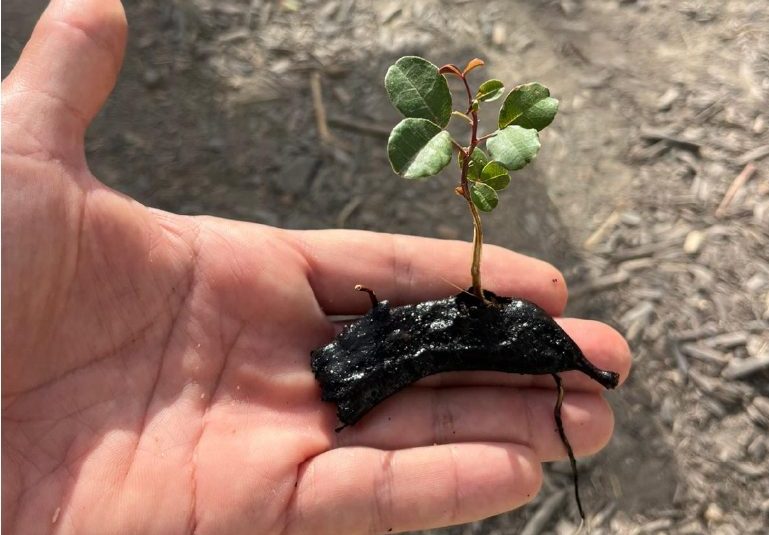
queer? – requiring bravery and trust. How to make space for this, stay with this, to nurture our projects, ideas, visions, communities – to venture courageously – so that a sapling can  grow leaves?
 
P. Cant – Starfish enquiry

Reference documents and studies


One of the major challenges posed by the idea of multispecies justice is the move it suggests beyond the individual human subject as the only viable subject of justice (…) Sympathetic imagining must also be part of a larger communicative system attentive to multispecies justice. 

A. Waldow & D. Shlosberg


To develop emergent ways requires a tenderness towards unknowing and a complexity that’s inherently queer

PG. Ritani & T.Dell

To Queer something is to uncover and question norms and assumptions about it and then to build relationships and systems that meet our needs better 

H. Breckbill


90% of the genetic material in “us” is “not us,” but rather belongs to “our” microbiome (…) there is no “me” without “we,” and most of the time the “we” is so small that we cannot see it and so multiple that we cannot count it.» (…) «Will microbial ecologies fill in the causal gaps in the story of human diversity that human genome projects have failed to explain?

Eben Kirksey


(…) dance and sexology rethought the relationship between sex and nature by grappling, to different extents, with a queer vision of nature, where nature loses its explanatory force and moral authority. This reveals the importance of nature and the nonhuman in the production of modern concepts of sex, gender, and sexuality and the important role that dance can play in illuminating the intersection of sex and nature.

I. Lingen


The task is to make kin in lines of inventive connection as a practice of learning to live and die well with each other in a thick present (…) Kin is a wild category that all sorts of people do their best to domesticate. (…) What shape is this kinship, where and whom do its lines connect and disconnect, and so what? What must be cut and what must be tied if multispecies flourishing on earth, including human and other-than-human beings in kinship, are to have a chance?

D. Haraway


Queer theory picks apart what is natural or normal to reveal its contingent nature through the desire of marginal bodies, spaces, and relationships to persist in the face of precarity (…) Human exceptionalism is the belief that humans are separate from all other life and that our superior behavior is based on culture, biology, and free will instead of animal instinct. (…) In order to critique human exceptionalism while giving new ways of life to discriminated groups, there must be a balance between displaying the autonomy and culture of the nonhuman and vilifying humanity. 

C. Knight


For us, queerness is a visioning tool and a strategy to build the world we intensely desire, deep within every cell of this collaborative organism (…) Capitalism’s desire always promises satisfaction at the expense of so many others, while the desire of queerness generates a world that thrives because we thrive together, a world where sharing is encouraged, because we all need less when we have more.

The Institute of Queer Ecology
LINKTREE

EMCCINNO en Bluskay